
Celebrity culture has always shaped fashion, music, and consumer trends. Now, it is also changing how people view ordinary objects. Items that would normally end up in the trash are finding new life as collectibles simply because they carry a connection—real or perceived—to a famous person or a viral event.
Social media, online marketplaces, and passionate fan communities have created a market where emotional value often outweighs practical worth.
From discarded concert items to limited-edition packaging and even street litter, the definition of a collectible continues to expand. These unusual purchases highlight how internet culture has reshaped the relationship between celebrities, fans, and everyday objects.
When Ordinary Trash Becomes a Collector’s Item

One of the latest examples comes from New York artist Justin Gignac, whose long-running art practice focuses on preserving everyday waste. His recent project gained global attention after he collected discarded litter outside Madison Square Garden in New York on July 4, the day after Taylor Swift and NFL player Travis Kelce reportedly celebrated their wedding.
Gignac gathered items left outside the venue, including a Ring Pop candy wrapper, an abandoned AirPod, and other pieces of street debris. He sealed every item inside transparent plastic cubes designed to prevent odor and leakage, labeled them as sculptures, and sold each one for $25. The collection generated about $1,250, and every piece sold out to buyers across more than 30 countries.
Although Gignac has openly stated that there is no way to confirm whether any object belonged to Swift, Kelce, or their guests, the connection to one of the year’s most talked-about celebrity events gave the pieces cultural and collectible value.
Viral Moments Create Instant Value
Celebrity-related collectibles often become valuable because of the story attached to them rather than the object itself. A well-known example came in 2023 when rapper Cardi B threw her microphone into the audience during a Las Vegas concert after someone splashed a drink at her while she was performing.
The microphone quickly became the center of worldwide headlines. It was later auctioned on eBay and sold for nearly $100,000. While the microphone itself was an ordinary performance tool, its role in a viral incident dramatically increased its market value.
The same pattern has appeared at live concerts. During a performance in Australia in 2022, Harry Styles casually ate a banana on stage before tossing away the peel. Fans rushed to collect it, and the discarded banana peel eventually appeared for sale online. The item had no practical use, yet its association with a popular artist made it attractive to collectors.
K-Pop Packaging Changed the Collectibles Market
Limited-edition collaborations have also shown how packaging can become as valuable as the product inside.
When BTS partnered with McDonald’s in 2021 for a special meal promotion, fans around the world began collecting and reselling empty burger boxes, paper bags, and dipping sauce packets. Unopened Sweet Chili and Cajun dipping sauce packets became especially desirable, with listings on eBay ranging from $30 to $400.
The packaging had little value after the meal was finished. Still, its connection to one of the world’s biggest K-pop groups created strong demand among collectors who wanted a piece of the collaboration.
Everyday Items Gain Celebrity Appeal
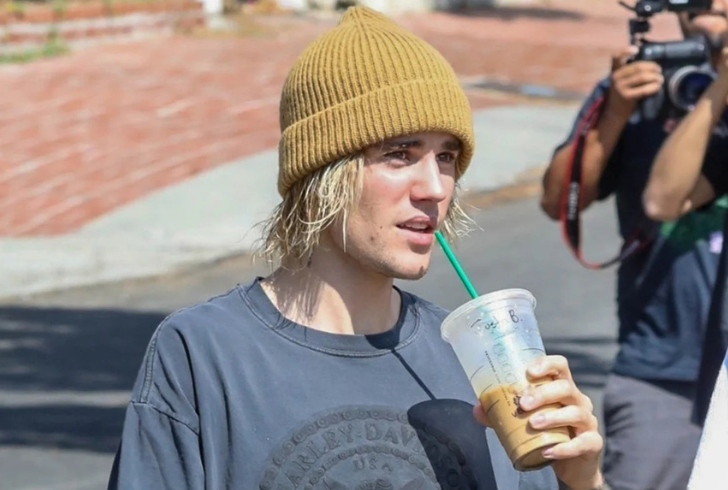
Disposable drink containers have also entered the growing market for celebrity memorabilia. Used Starbucks cups, takeaway coffee cups, and even partially consumed water bottles, reportedly connected to stars including Taylor Swift, Justin Bieber, and Ariana Grande, have appeared on resale platforms.
Collectors are often willing to spend significant amounts simply because the item was believed to have been handled by a favorite celebrity. In many cases, the emotional connection matters far more than the object’s actual function.
Another unusual example involved Kanye West during the “Yeezus” tour and later the “Donda” listening events. Fans listed sealed plastic bags that supposedly contained air collected from the venues.
One listing reportedly attracted bids approaching $60,000 before eBay removed it because the platform does not allow the sale of intangible goods. Although impossible to authenticate, the listings demonstrated how celebrity influence alone can create perceived value.
The Psychology Behind the Trend
Celebrity memorabilia has existed for decades, but social media has greatly expanded its reach. Viral moments, fan communities, and online resale platforms can turn ordinary objects into sought-after collectibles almost overnight. In many cases, buyers value the story and cultural significance behind an item more than the item itself.
A classic example dates back to 1975, when American entrepreneur Gary Dahl introduced the Pet Rock. Ordinary stones were packaged in cardboard boxes with breathing holes, a humorous instruction manual, and a mock training guide. Millions of Pet Rocks were sold within months, showing that a compelling concept and clever storytelling could create demand for even the simplest objects.
The growing popularity of celebrity collectibles reflects how internet culture has changed the way people perceive value. Items such as concert souvenirs, limited-edition packaging, street litter preserved as artwork, and other everyday objects can become valuable when connected to a famous personality or a widely discussed event.
As online fan communities continue to expand, cultural relevance and emotional connection remain major factors driving demand for these unconventional collectibles.